Why the AB[500] is culturally significant.

AB5D was founded to collect, curate and build around Art Blocks 500. Membership of the DAO is by invitation.

No external dependencies. Unquestionable provenance. Live rendered.

How many understand what these terms mean?

The Art Blocks 500 (AB[500]) collection comprises the complete set of the first 500 projects published by Art Blocks between 2020 and 2025. This collection is vast, encompassing works across the Curated, Playground, Factory, Presents, Collaborations, and Explorations categories. By formalising AB[500] as a finite and complete set, the platform intends to preserve this period as a foundational era of generative art, celebrating the artists who innovated while adhering to the technological constraints of on-chain creation.1

But where does AB[500] sit within a broader cultural context? We view AB[500] as the networked-state2 "New York/New Wave", representing a culturally defining aesthetic innovation. To back up this claim we need to revisit some of the defining exhibitions in modern history.

Art exhibitions have historically defined new movements, serving as forums for cultural confrontation and the legitimisation of emerging aesthetics.3
1863Paris

Salon des Refusés

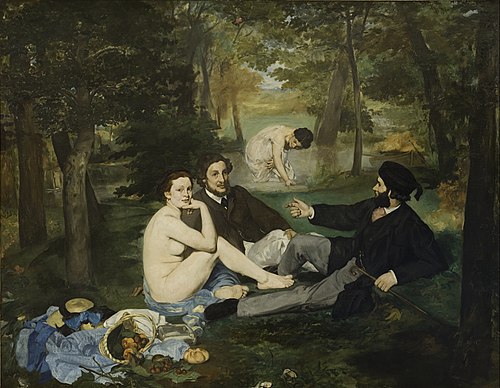
The Salon des Refusés was organised in Paris by Napoleon III after numerous avant-garde artists had their work rejected from the conventional Paris Salon.3 This exhibition was monumental in challenging institutional tradition. It featured controversial pieces like Édouard Manet's Luncheon on the Grass4, which shocked the public with its unidealised portrayal of modern nude figures. The existence of the Salon des Refusés demonstrated the power of newly emerging artistic voices to challenge established institutional authority, and successfully paved the way for Impressionism.

RejectionNew authority
Édouard Manet, Luncheon on the Grass (1863)
Édouard Manet, Luncheon on the Grass (1863). Monumental painting before this had been dedicated to mythological or religious themes; a nude woman seated with clothed men in a secular setting was, at the time, shocking.
1913New York

The Armory Show

Officially the International Exhibition of Modern Art, the 1913 Armory Show was the first major exhibition of modern art in the United States. Originating in New York City's 69th Regiment Armory and later travelling to Chicago and Boston, it aimed to give the American public an opportunity to judge for themselves the work of Europeans creating a new art.

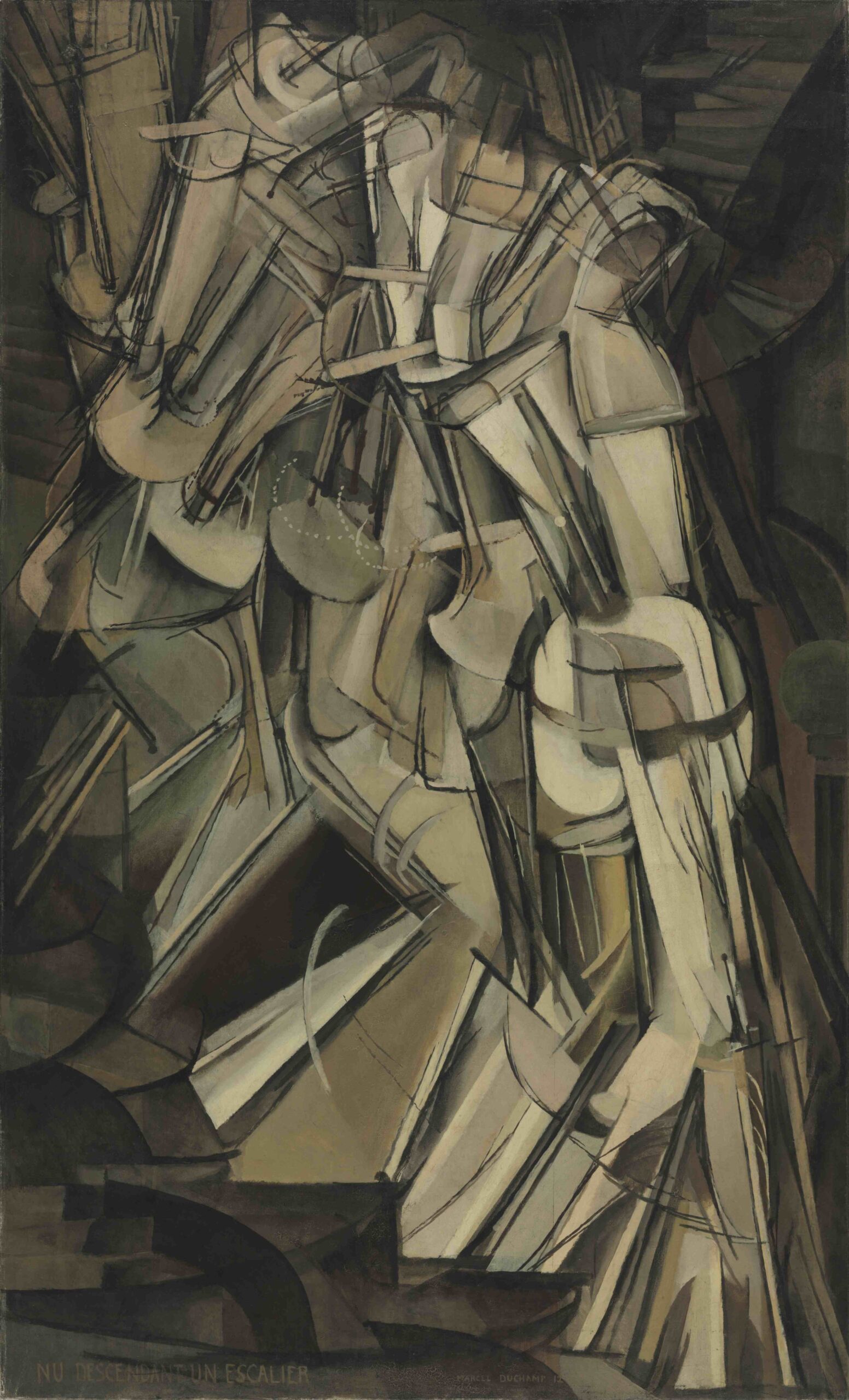
It introduced audiences accustomed to realism to the highly experimental styles of the European avant-garde, including Cubism and Fauvism, displaying roughly 1,300 pieces by over 300 artists. Marcel Duchamp's Nude Descending a Staircase, No. 2, which expressed motion through superimposed images, was particularly radical and polarising. Former President Theodore Roosevelt declared, "That's not art!" The show was a critical catalyst for American artists, prompting them to create their own artistic language.

ImportationScandal
Marcel Duchamp, Nude Descending a Staircase, No. 2 (1912)
Marcel Duchamp, Nude Descending a Staircase, No. 2 (1912). Its fracturing of a single figure into superimposed frames of motion was the work that most scandalised American audiences at the Armory Show; Theodore Roosevelt singled it out for ridicule.
1937Munich

Degenerate Art

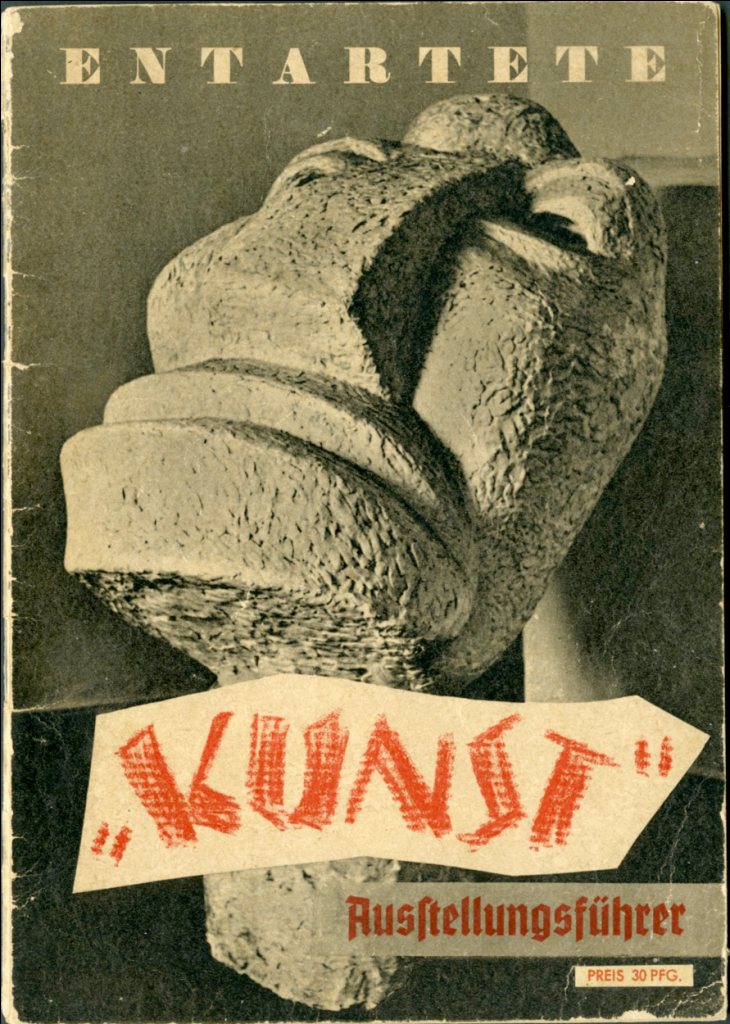
The Degenerate Art exhibition (Die Ausstellung "Entartete Kunst") was organised by Adolf Ziegler and the Nazi Party in Munich as propaganda to contrast with the official Great German Art Exhibition. It was part of the regime's effort to cleanse culture of so-called degeneracy; Hitler had declared "merciless war" on cultural disintegration and considered modernist practitioners "incompetents, cheats and madmen".

The exhibition presented 650 works confiscated from German museums, labelled "degenerate" if deemed to insult German feeling or destroy and confuse natural form. Vilified artists included Paul Klee, Otto Dix, Wassily Kandinsky and Pablo Picasso. To frame modernism as a conspiracy, labels often exaggerated how much museums had paid for the works. It proved immensely popular, attracting over two million visitors in Munich alone.

SuppressionThe state vs the new
Entartete Kunst exhibition guide, front cover (1937)
Front cover of the Entartete Kunst exhibition guide, Munich (1937), showing Otto Freundlich's sculpture Der neue Mensch.
1955Kassel

Documenta I

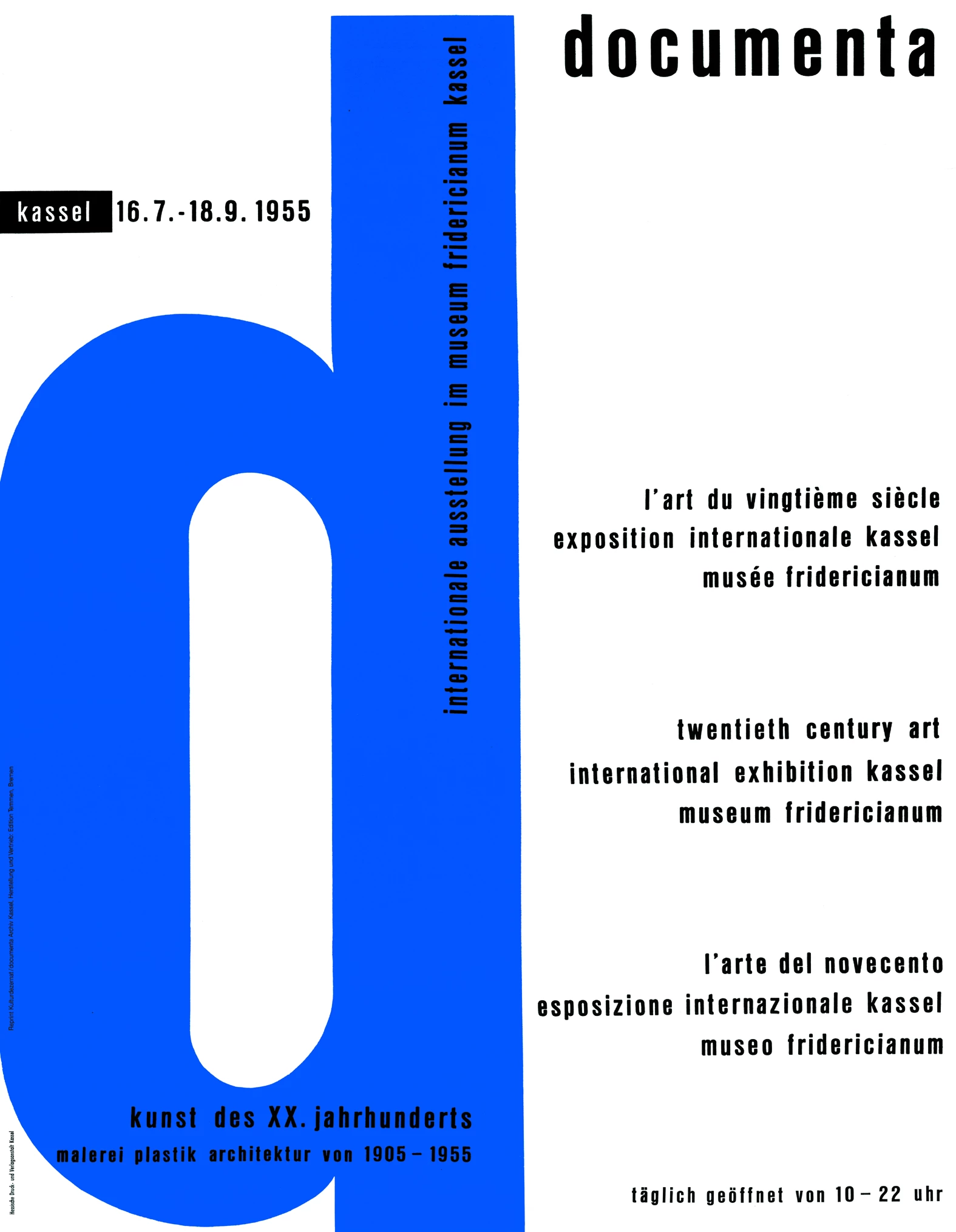
The inaugural Documenta, in Kassel, West Germany, was titled Documenta: Art of the Twentieth Century. Its objective was twofold: to consolidate the return of modernism to Germany after its persecution under National Socialism, and to reintegrate German abstractionists into the European mainstream. It explicitly set out to rehabilitate abstract modern art and the expressionist tradition from the Nazi slur of degeneracy.

Curator Arnold Bode installed the work in the ruined shell of the Museum Fredericianum, using the damaged architecture to create a strikingly modern aesthetic of potentiality and regeneration. The exhibition positioned contemporary abstract artists as the legitimate future of modernism and was a great public success, with 130,000 attendees.

RehabilitationCanon-building
Documenta poster, Kassel (1955)
Poster for the first Documenta, Kassel (1955): twentieth-century art at the Museum Fredericianum. Reproduced from the documenta archiv.
1956London

This Is Tomorrow

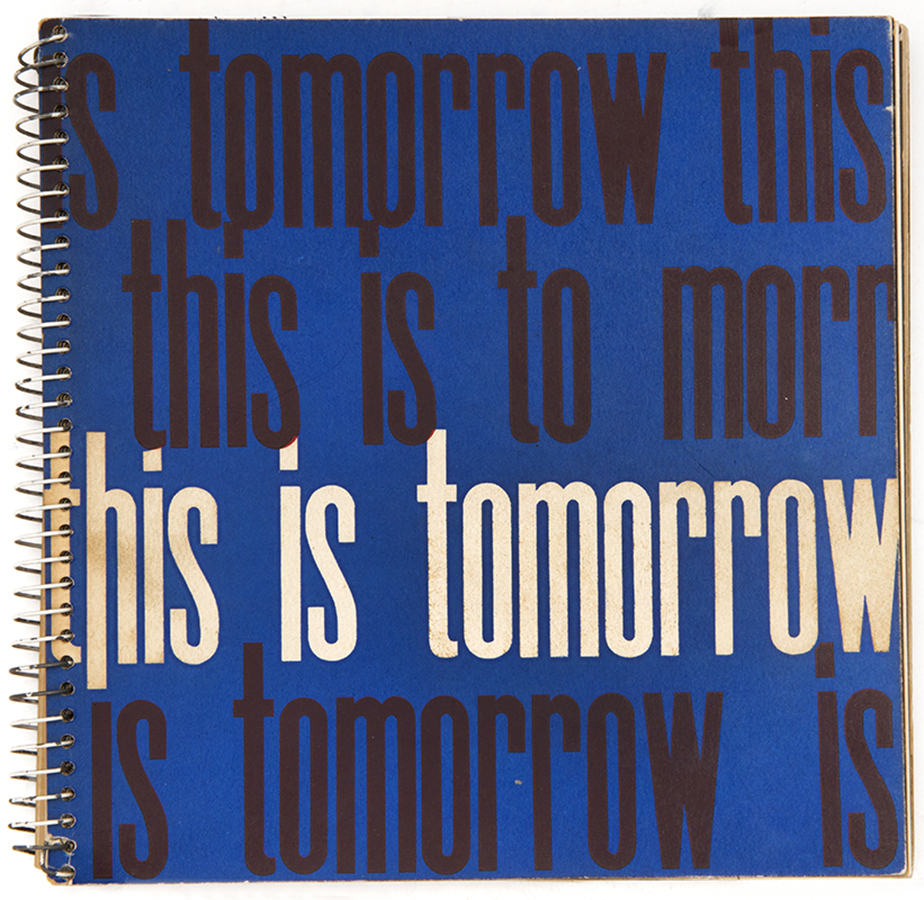
Held at the Whitechapel Gallery in London, This Is Tomorrow was organised spontaneously and democratically by twelve groups of British artists and architects, and became a landmark in the development of Pop Art. It blended art, architecture and popular culture, introducing visual elements from the everyday environment: cinema, the jukebox, Marilyn Monroe.

Artists including Richard Hamilton embraced mass media, consumerism and advertising, challenging traditional notions of art and blurring the line between "high" and popular culture. The space was experiential, featuring visual illusions and a continuous jukebox.

PopHigh and low
This Is Tomorrow, Whitechapel Gallery (1956)
Catalogue for This Is Tomorrow, Whitechapel Gallery, London (1956). The show's blurring of high art and mass culture seeded British Pop; its title and graphics became as iconic as the work inside.
1969Bern

When Attitudes Become Form

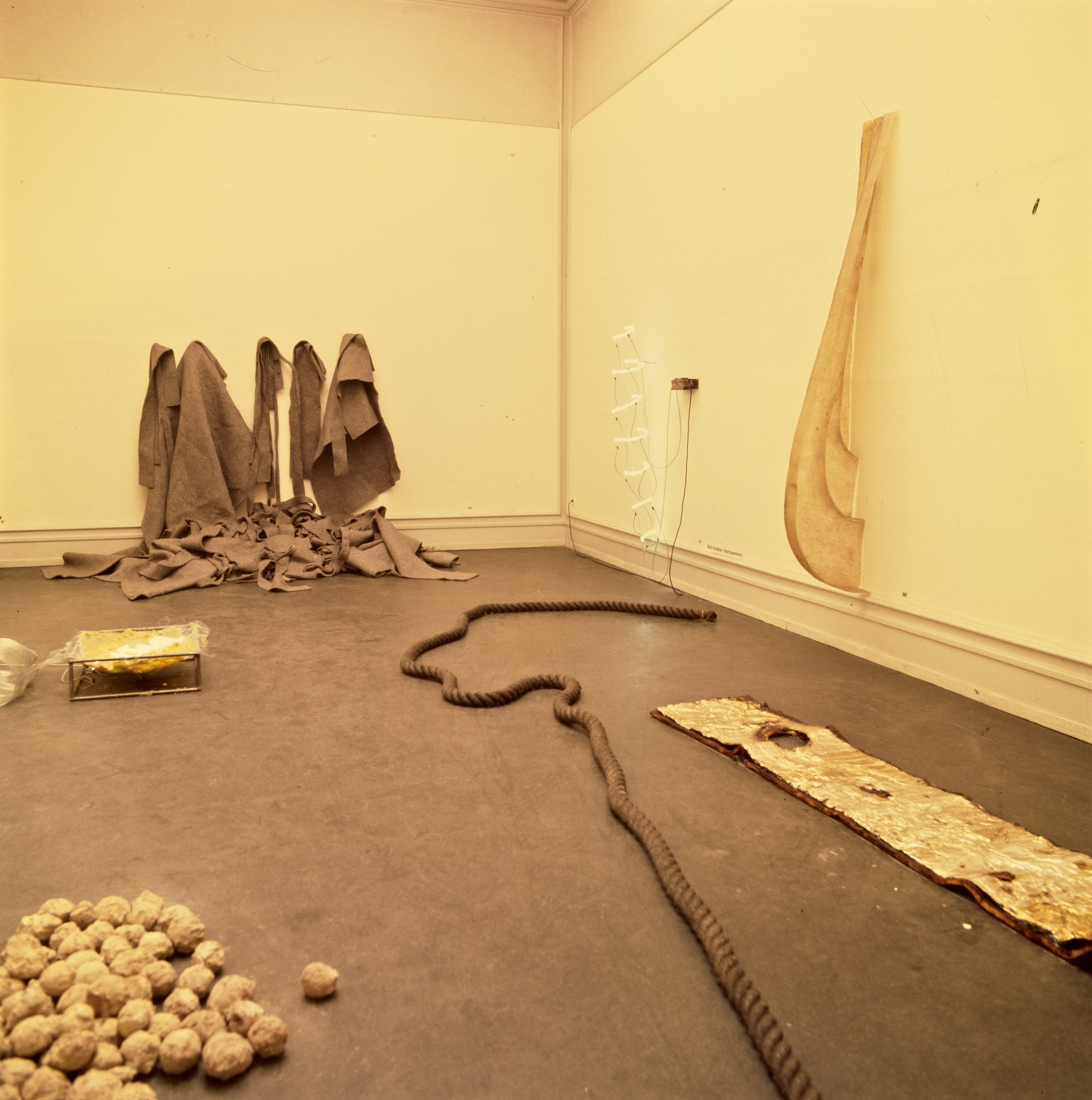
Formally titled Live in Your Head: When Attitudes Become Form. Works, Concepts, Processes, Situations, Information, this exhibition at the Kunsthalle Bern, curated by Harald Szeemann, introduced a generation that shifted focus away from Pop's social themes and Minimalism's purism toward the artistic idea and action itself.

It celebrated art as a temporary process with an open-ended outcome rather than a final, commodified object. This concentration on concepts, processes and changeability solidified Conceptual Art and Process Art, condensing the spirit of the late 1960s' upheavals. It is widely considered a key event in the history of exhibition-making and modern curating.

Process over objectCurating as authorship
When Attitudes Become Form, Kunsthalle Bern (1969): felt, fat and rope process works installed in the gallery
Process works installed at When Attitudes Become Form, Kunsthalle Bern (1969): felt, fat, rope and clay taking the place of the finished object.
1981New York

New York/New Wave

Curated by Diego Cortez at P.S.1 (now MoMA PS1), New York/New Wave ranks alongside the Armory Show of 1913 as one of the twentieth century's most consequential exhibitions. It documented the essential crossover between the downtown music and art scenes. Cortez, a co-founder of the Mudd Club, brought together a maximalist show of over 100 participants.

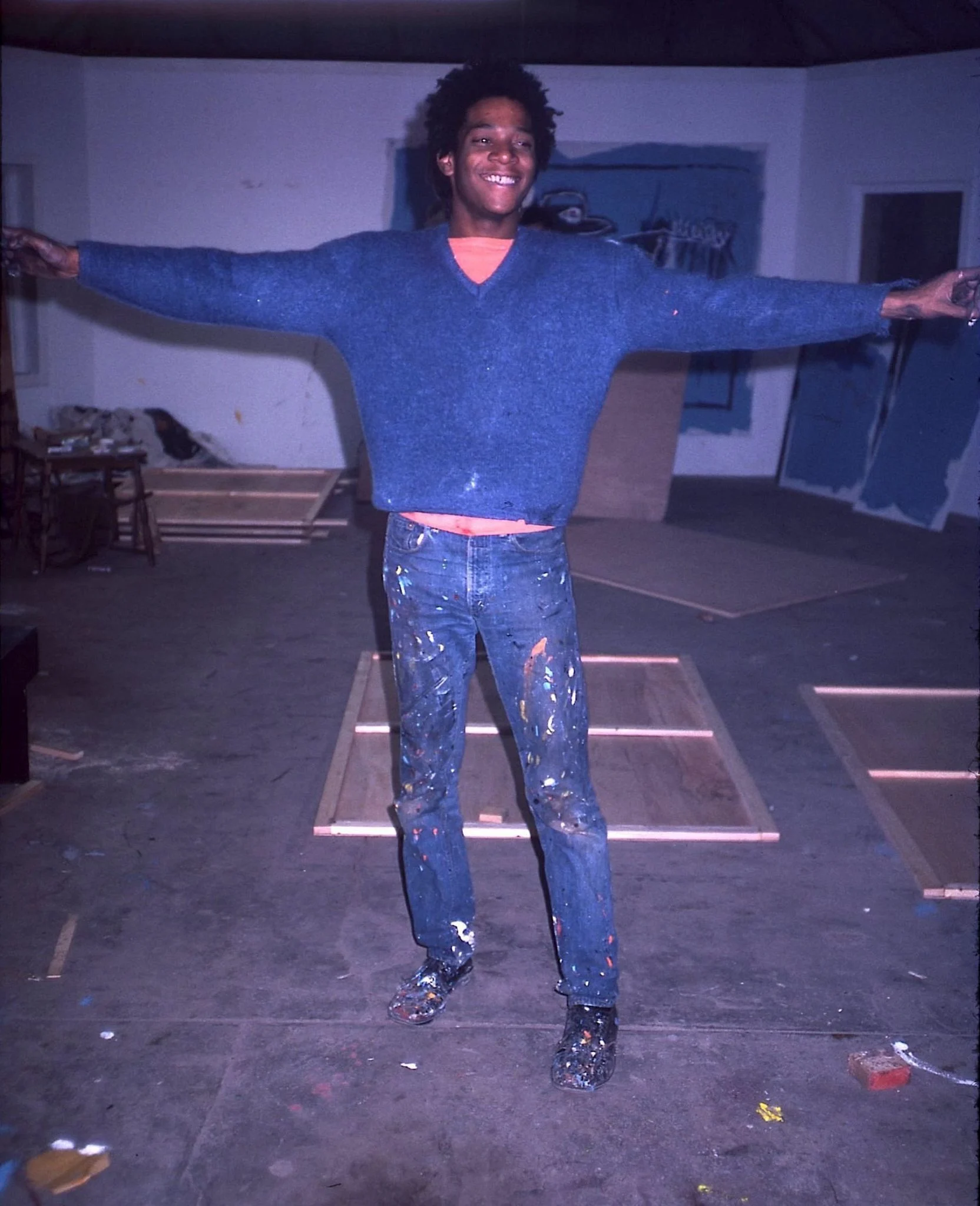
Punks, No Wave musicians, poets and graffiti artists were hung deliberately from floor to ceiling; Cortez defined the show as "a sociology of a scene". Critically, it brought the aspiring artist Jean-Michel Basquiat, participating under the graffiti alias SAMO, to public attention and subsequent fame.

Scene as mediumEmergence
Jean-Michel Basquiat in his studio, around 1981, paint-spattered, arms outstretched
Jean-Michel Basquiat in the studio, around the time of the show. Unknown, working as SAMO, he walked into New York/New Wave a participant and walked out a name. The scene did not credential him; it surfaced him.
1989Paris

Magiciens de la terre

Staged in Paris by curator Jean-Hubert Martin across two venues, Magiciens de la terre (Magicians of the Earth) sought to be the "first truly international exhibition", featuring an equal number of artists from Euro-American and non-Western countries.

It challenged the cultural arrogance of the Western world by juxtaposing established figures such as Louise Bourgeois with a broad constituency of non-Western folk artists, shamans and visionaries, among them Chéri Samba and Esther Mahlangu. Martin sought to reposition the relationship between the object maker and their community, and to decentralise the dialogue around contemporary art, signalling a moment of multicultural reckoning.

DecentralisationWho counts as an artist
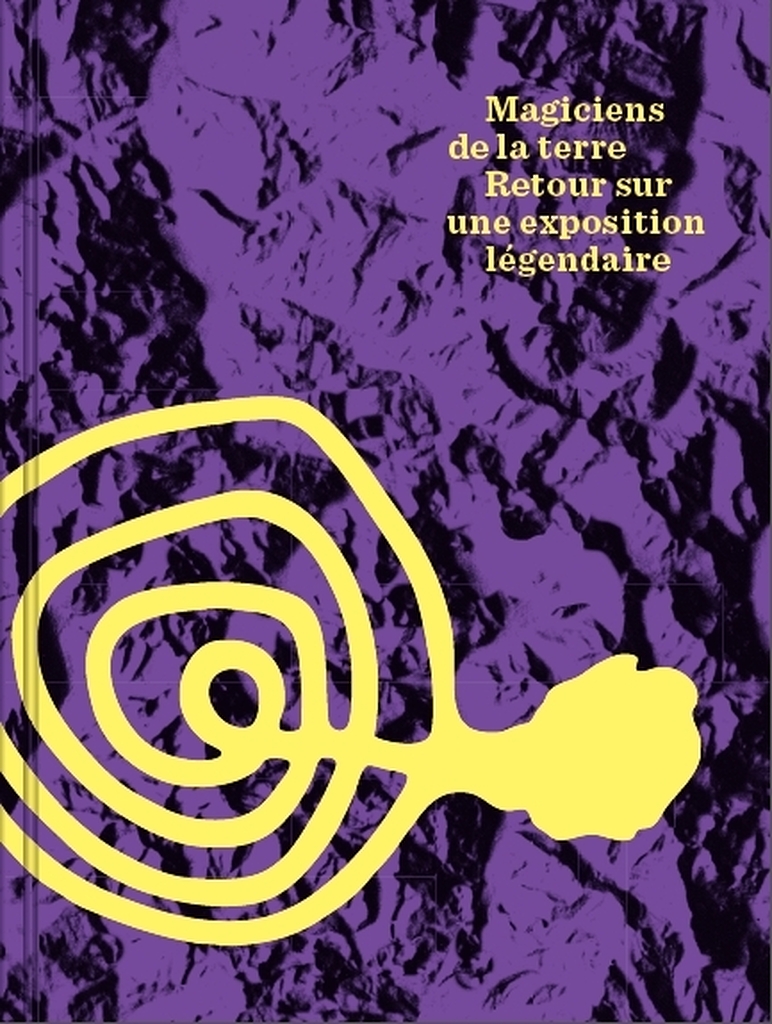
Magiciens de la terre retrospective catalogue cover
Cover of the retrospective volume Magiciens de la terre: Retour sur une exposition légendaire, on the 1989 Paris exhibition that widened who counts as an artist.
1997London · New York

Sensation

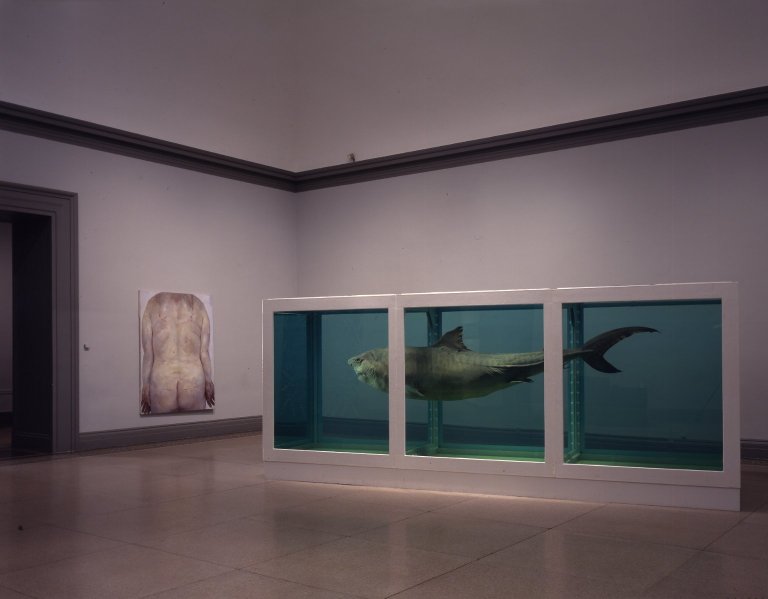
Sensation showcased the contemporary collection of Charles Saatchi, heavily featuring the Young British Artists. Premiering at the Royal Academy of Arts in London, it generated massive controversy, with critics suggesting it was calculated to boost the financial value of the work by displaying it in public institutions. Key provocations included Damien Hirst's shark preserved in formaldehyde and Tracey Emin's appliquéd tent.

When the show travelled to the Brooklyn Museum, it drew particular outrage over Chris Ofili's The Holy Virgin Mary. Mayor Rudolph Giuliani threatened to cut the museum's public funding, calling the work "sick stuff". The controversy crystallised intense debate over censorship, decency, and the role of art in public discourse.

Market and museumControversy as value
Sensation: Young British Artists from the Saatchi Collection, Brooklyn Museum
Damien Hirst's shark, The Physical Impossibility of Death in the Mind of Someone Living, at Sensation, Brooklyn Museum. The show fused market and museum so openly that the controversy itself became part of the work's value.
2020On-chain

Erick Calderon and the Art Blocks genesis

Art Blocks was founded in 2020 by Erick Calderon (Snowfro), who came from the ceramic-tile industry, technology and design. His path into generative art began around 2017 after he claimed a CryptoPunk: realising that during the claiming process users could choose which punk they received, he began to think about how the blockchain's randomisation could intersect with algorithms that create variable outputs, generating a unique piece at the moment of minting.

Calderon spent three years building the platform around a core philosophy: "art is code and code is art". The artwork does not exist until the collector completes the purchase, at which point the blockchain provides a random hash (entropy) fed into the artist's smart contract to generate a unique output. The work becomes a collaboration between artist, machine and collector.

He insisted that artists write code that is resolution-agnostic: the script queries the size of the display and builds the work to fill it perfectly, whether a current 4K screen or a future 24K one, so the art does not become obsolete. He demonstrated the potential with his own launch project, Chromie Squiggle, which goes beyond the static, with Easter eggs letting the collector interact with parameters like background colour and animation speed.

On-chainCode is artGenesis
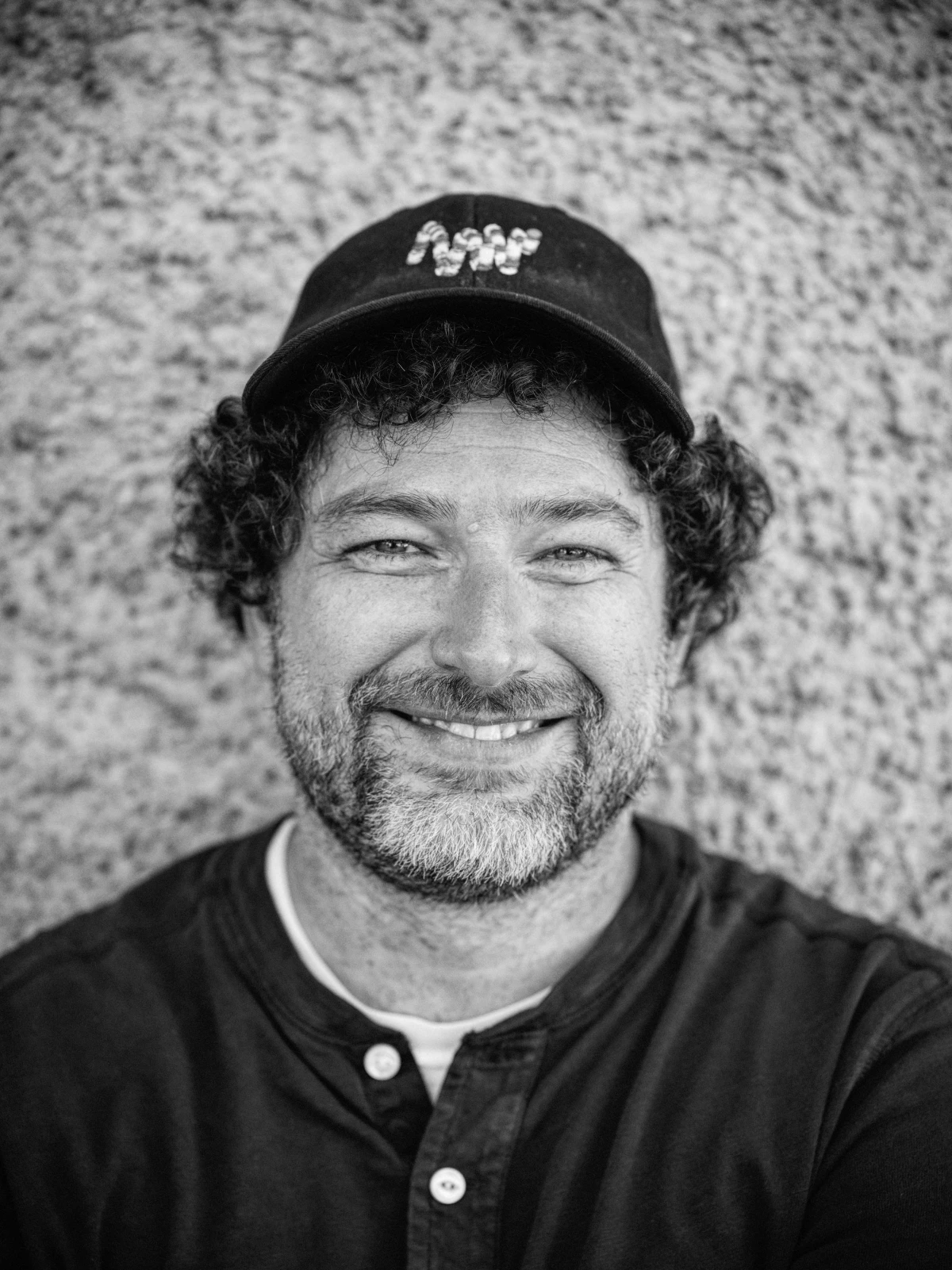
Erick Calderon (Snowfro), founder of Art Blocks
Erick Calderon, "Snowfro", who founded Art Blocks and launched it with Chromie Squiggle in November 2020. Photograph by Rainer Hosch.

Important artists and series in AB[500]

The AB[500] collection formalises the foundational era of on-chain generative art. In building the platform, Calderon sought out artists who had been honing their craft for years "with absolutely zero opportunity for monetisation", recognising them as his artistic heroes. Early influences and participants included Melissa Wiederrecht and Aaron Penne, whom Calderon first engaged with on Reddit, as well as Tyler Hobbs.

The definitive nature of the collection sets an aesthetic and technical standard for the medium. Calderon's own pivotal project, Chromie Squiggle, launched the platform and showcased the resolution-agnostic and interactive properties of the work. The collection also encompasses projects that exemplify technical artistry within on-chain constraints, such as Dmitri Cherniak's static generative work Ringers, which Calderon identifies as one of his favourite projects on the platform.

Ringers by Dmitri Cherniak, a static generative work on Art Blocks
Ringers by Dmitri Cherniak: string wound around pegs, every output distinct from a single algorithm. One of Calderon's favourite projects, rendered live from the chain.

Notes

  1. Art Blocks, Art Blocks 500: The Complete Collection. artblocks.io
  2. Balaji Srinivasan, The Network State. thenetworkstate.com
  3. "Influential Art Exhibitions That Shaped History & Global Culture", CultureOwl. cultureowl.com
  4. "Édouard Manet's The Luncheon on the Grass", My Modern Met. mymodernmet.com